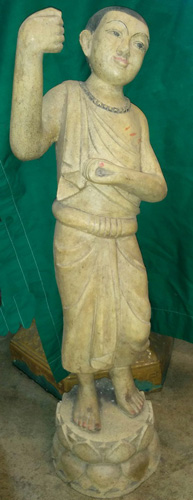
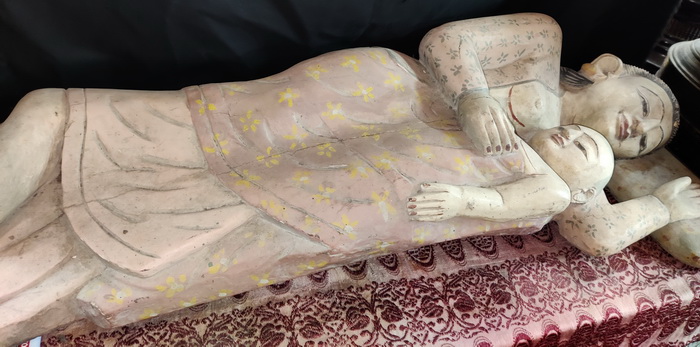
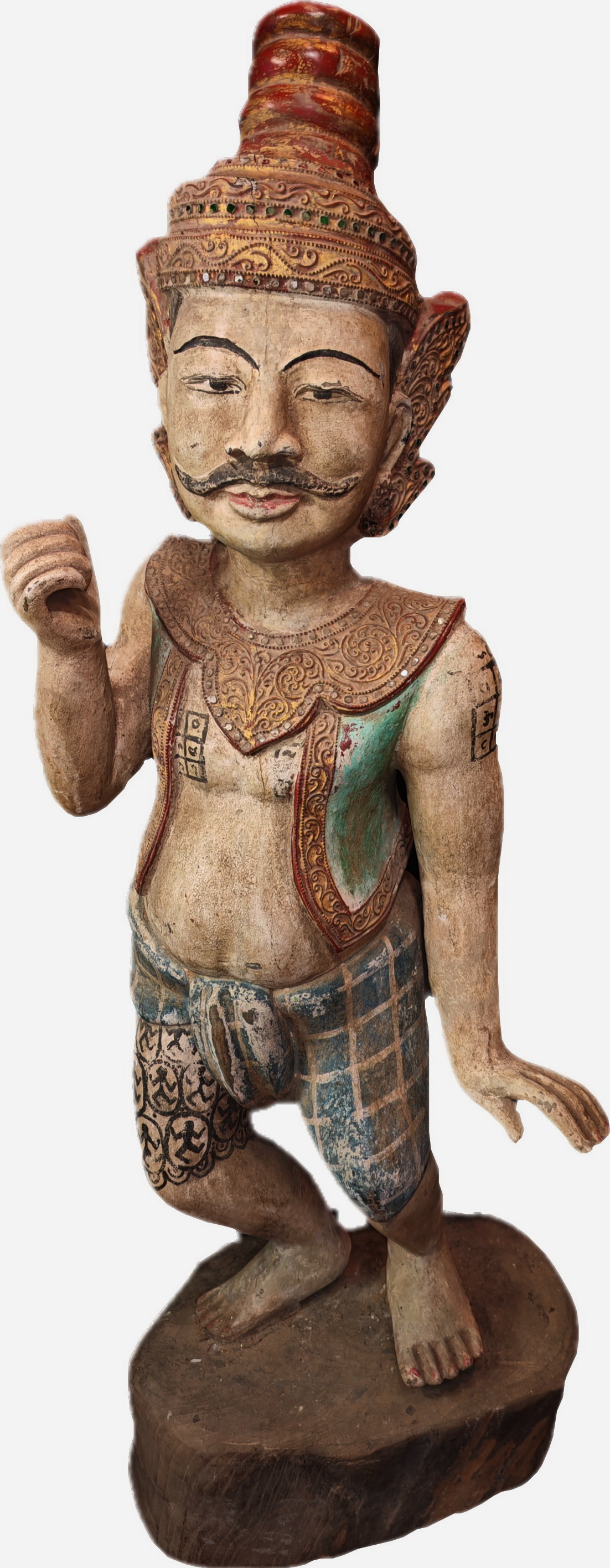
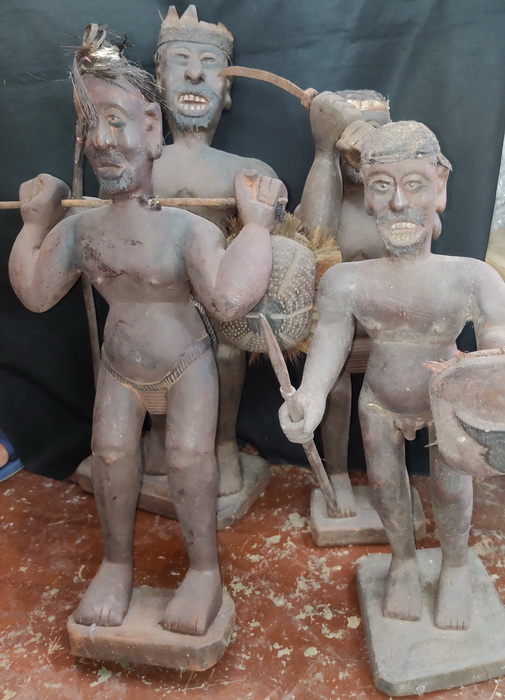
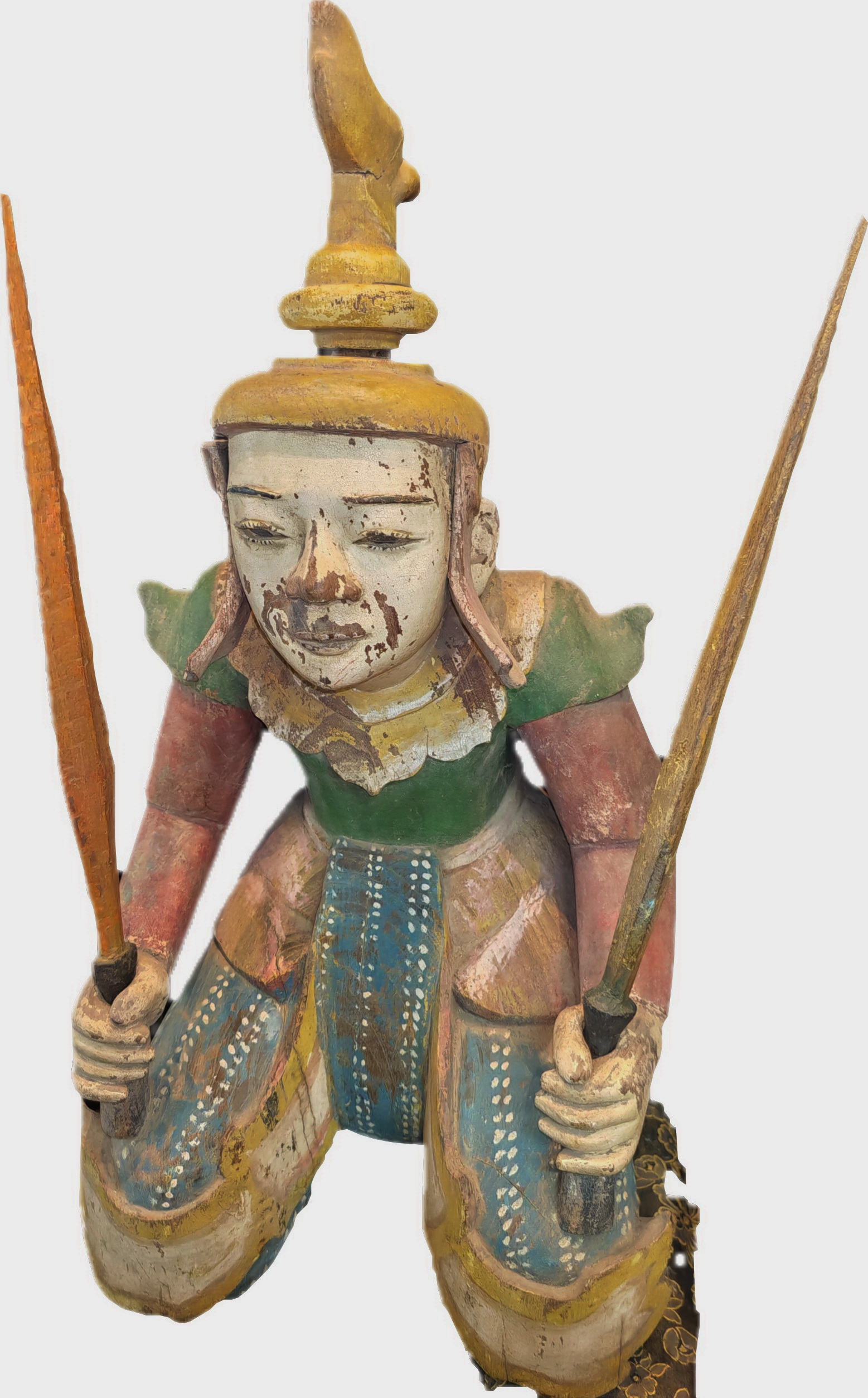
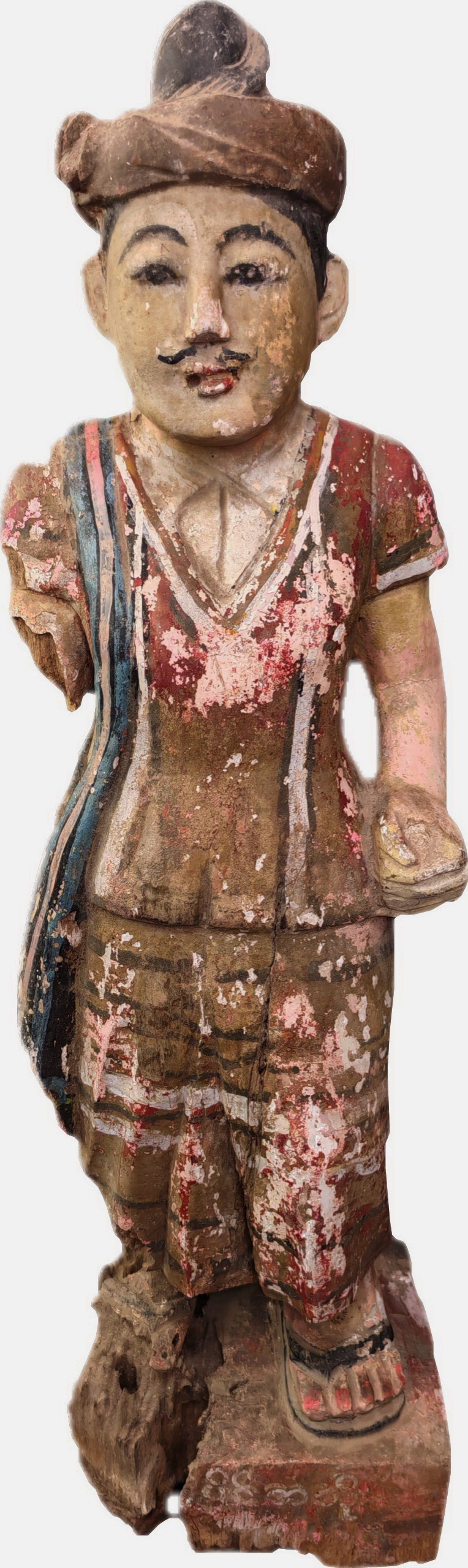
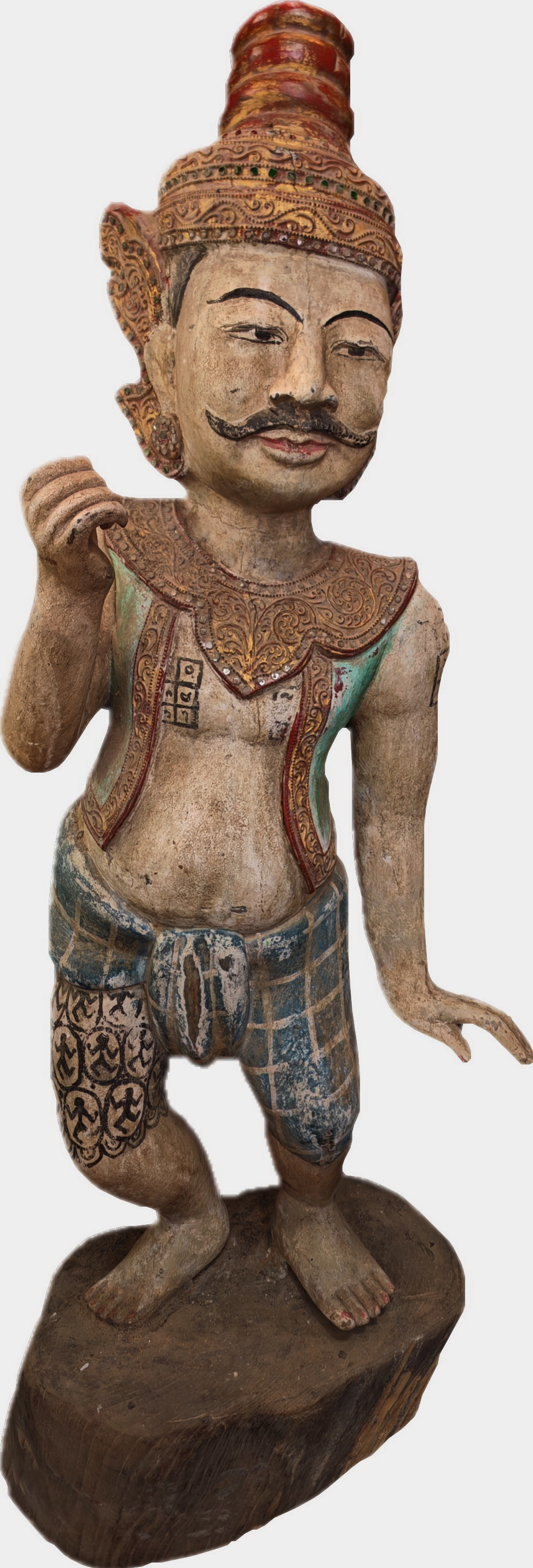
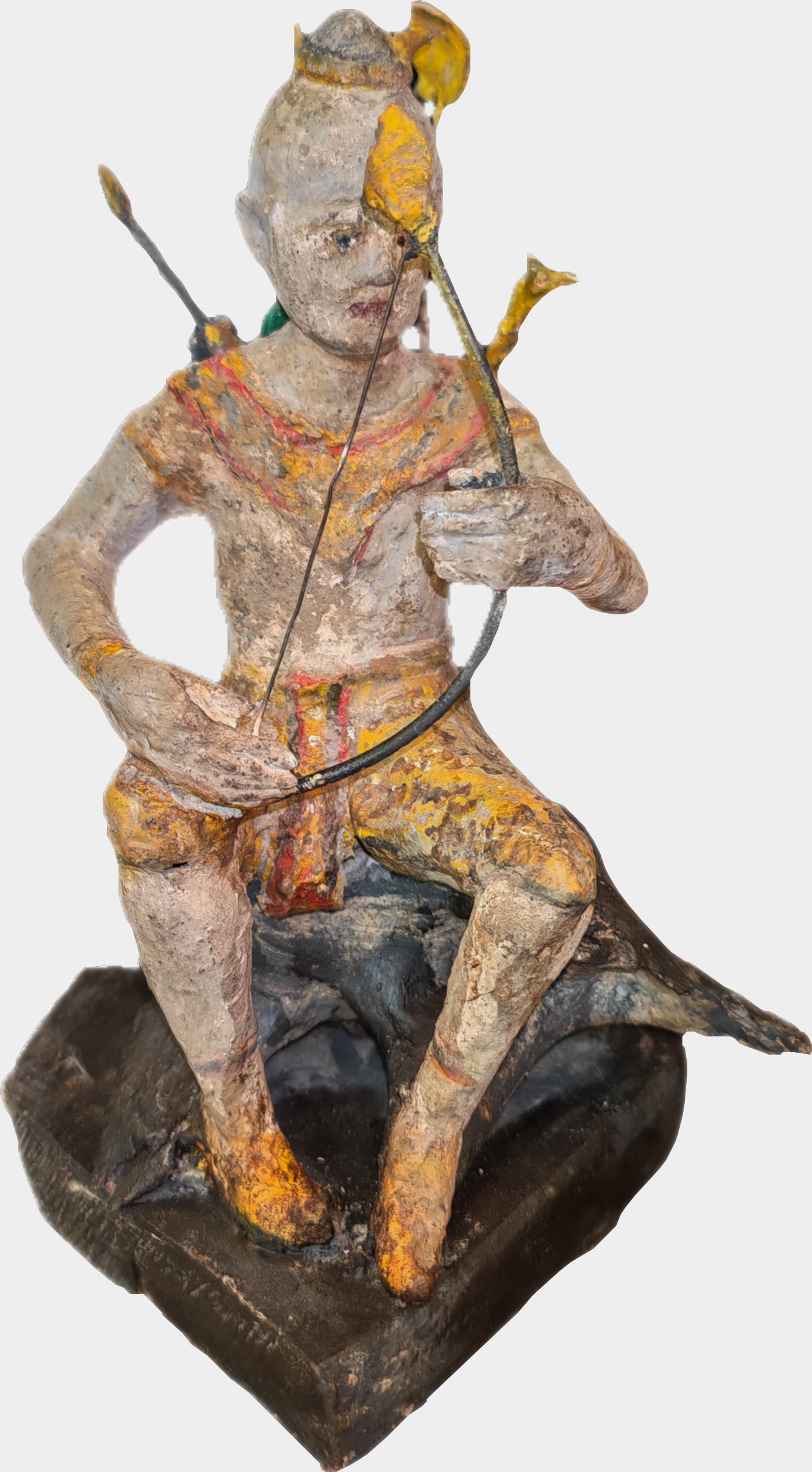
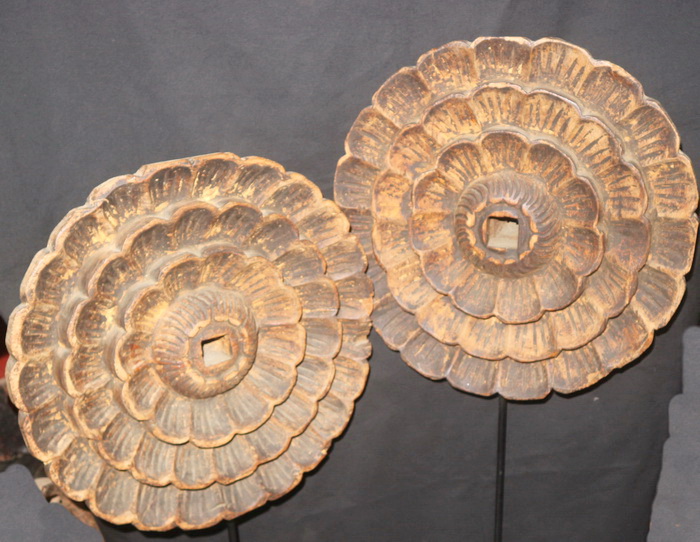
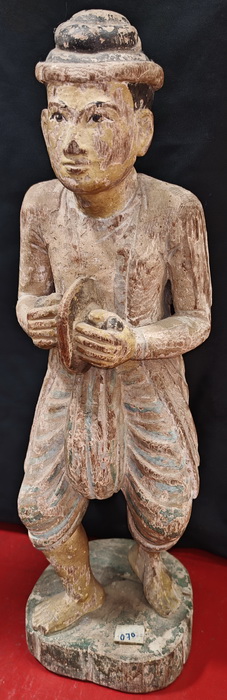
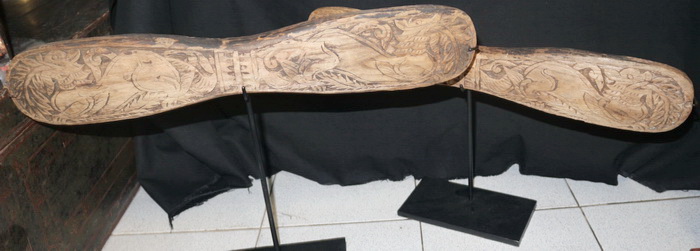
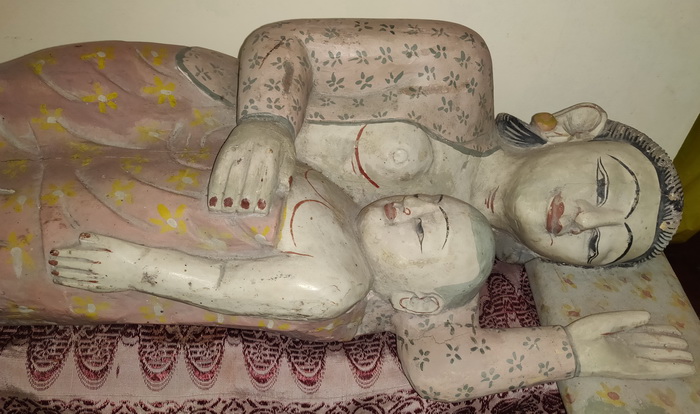
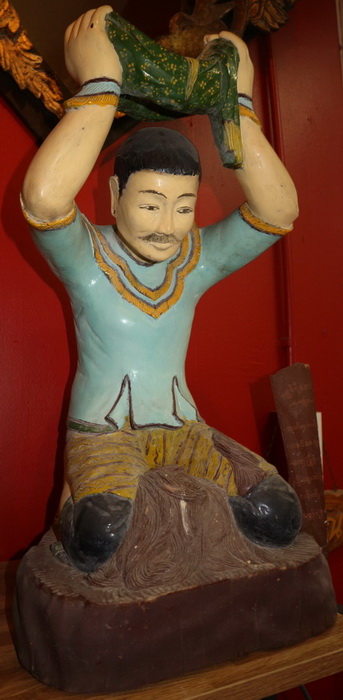
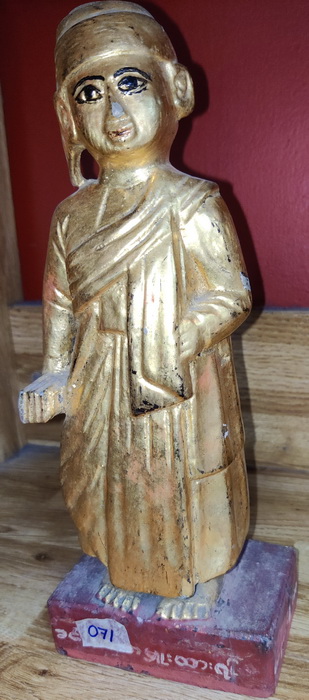
The woodcarving of Myanmar is justly famous. Few woodcarvers in the world can match the technical skills of Burmese artisans in creating designs of great spontaneity, freedom and intricacy. These designs may first be drawn on paper, especially ones of great detail. The general ou...
The woodcarving of Myanmar is justly famous. Few woodcarvers in the world can match the technical skills of Burmese artisans in creating designs of great spontaneity, freedom and intricacy. These designs may first be drawn on paper, especially ones of great detail. The general outline is cut first with saw, chisel and axe; then an expert with years of experience (a master woodcarver) does the carving. Myanmar s great forests must have provided a wealth of material for woodcarvers in the first millennium and before. While no carvings remain from that period, those on the wooden lintels above the main entrance to the hall and the entrance to the shrine of the late 11th century Nagayon, Bagan, give evidence in their sophistication that they are the product of a long lineage of woodcarving. Small images of what may be vidhyadhara (celestial begins who have attained wisdom and magical powers and can fly through the air) are depicted as fast-moving figures within roundels inside lozenges and within ellipsoids, the interiors and exteriors of which are ornamented with delicately carved flowers and what may be clouds. Also of the same period was a wooden door found at the Shwezigon pagoda, still extant at the turn of the century, with carved panels of scrollwork, flowers, musicians and dancers all seated within beaded borders.